Tina Hansen · 13 October 2026
How Elevated Rock Formations Enable Secure Archival Protocols for Niche Cultural Collections
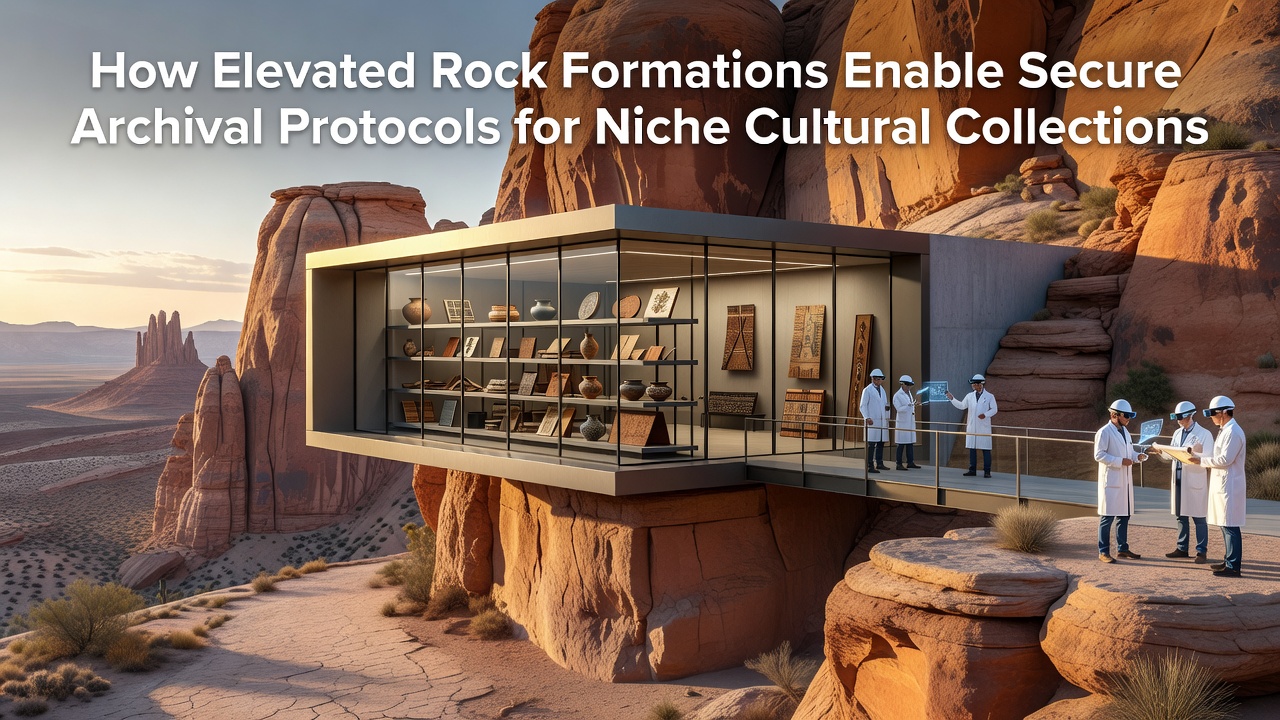
Geological structures such as buttes and mesas offer physical elevation that separates collections from ground-level risks including flooding, seismic activity, and unauthorized access while maintaining stable internal environments for sensitive materials. Researchers studying these sites note that the height creates natural barriers against environmental fluctuations, and data from geological surveys indicate consistent temperature ranges within rock cavities that support long-term preservation of organic artifacts and documents. Observers in the field report that these formations reduce exposure to humidity variations compared to conventional underground facilities, and this stability proves particularly useful for niche collections like indigenous textiles or rare botanical specimens that require precise control.
Geological Characteristics Supporting Archival Security
Rock formations elevated above surrounding terrain provide multiple layers of protection because their composition often includes dense sedimentary layers that resist erosion and limit structural compromise over decades. Studies conducted by the Geological Society of America show that certain butte structures maintain internal chambers with low permeability, which minimizes water infiltration and supports controlled microclimates without extensive mechanical intervention. People managing cultural repositories have observed that access points limited to elevated ridges simplify monitoring protocols, and this configuration allows for fewer entry vectors that must be secured against intrusion.
Additional advantages emerge when formations sit in remote regions where surrounding landscapes deter casual traffic, and records from heritage management programs confirm lower incident rates at such locations. The natural insulation properties of thick rock walls further contribute to energy efficiency in climate regulation systems, since external temperature swings affect interior spaces less dramatically than they would in exposed buildings.
Integration with Modern Archival Protocols
Institutions handling specialized cultural items have adapted these geological features into layered security frameworks that combine physical isolation with digital monitoring. Protocols typically begin with site assessments that evaluate rock integrity, followed by installation of non-invasive anchoring systems for shelving and environmental sensors. Data from ongoing projects reveal that collections stored in elevated rock environments experience fewer instances of material degradation when compared to standard archival rooms, and this outcome stems directly from the formations' inherent resistance to external variables.
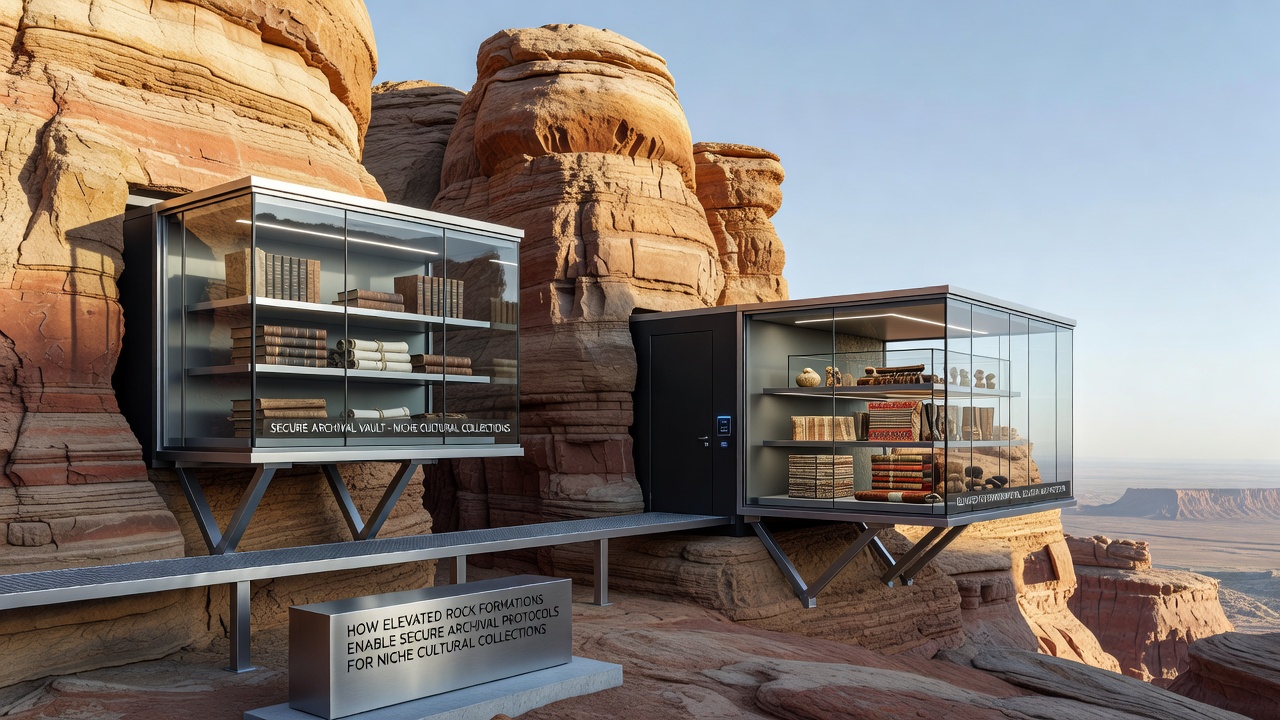
Access control measures often rely on the terrain itself, where narrow trails and sheer drops create physical deterrents that complement electronic surveillance. Experts coordinating these efforts note that maintenance schedules align with seasonal weather patterns to avoid unnecessary disturbance, and this approach reduces wear on both the rock structures and the stored items. In October 2026, several regional heritage organizations plan joint workshops focused on standardizing assessment criteria for new sites, drawing on accumulated performance metrics from existing installations.
Applications for Niche Cultural Collections
Niche collections such as oral history recordings on fragile media, ceremonial objects from specific communities, and localized botanical archives benefit from the reduced light exposure and vibration levels found inside these formations. A report published through Parks Canada highlights how similar elevated sites have preserved indigenous artifacts with minimal intervention since the early 2000s, and figures from that program indicate sustained material integrity across multiple decades. Additional evidence comes from research conducted at the Australian National University, where scientists documented comparable outcomes for paper-based records stored in mesa cavities under controlled conditions.
Implementation requires collaboration between geologists, conservators, and community representatives to ensure protocols respect cultural significance while meeting technical standards. Those overseeing operations emphasize regular structural evaluations using non-destructive testing methods, and this practice helps identify any shifts before they affect storage conditions. The approach also supports scalability, allowing smaller institutions to establish secure facilities without large capital investments in conventional construction.
Conclusion
Elevated rock formations continue to demonstrate measurable value in archival settings through their combination of natural defense mechanisms and environmental consistency. Ongoing documentation from multiple regions confirms that these sites deliver reliable performance when paired with appropriate protocols, and future expansions will likely build on the data gathered through current installations. The integration of geological advantages with contemporary preservation techniques offers a practical pathway for protecting specialized cultural materials against both immediate threats and gradual deterioration.