Zara Bauer · 29 September 2026
Vault-Driven Data Preservation Techniques Supporting Independent Historical Documentation Efforts
Researchers in archival science have documented how vault-driven systems apply layered encryption and distributed redundancy to safeguard historical materials that independent scholars collect outside institutional frameworks, and these methods integrate checksum verification with geographic replication so records survive hardware failures or regional disruptions while remaining verifiable over decades.
Core Mechanisms in Vault Architectures
Technicians construct these vaults through a combination of client-side encryption algorithms and sharded storage across multiple jurisdictions, which means each fragment carries no usable information on its own yet the complete dataset reconstructs only when authorized keys align, and studies from data preservation networks show that such sharding reduces single-point exposure compared with centralized servers.
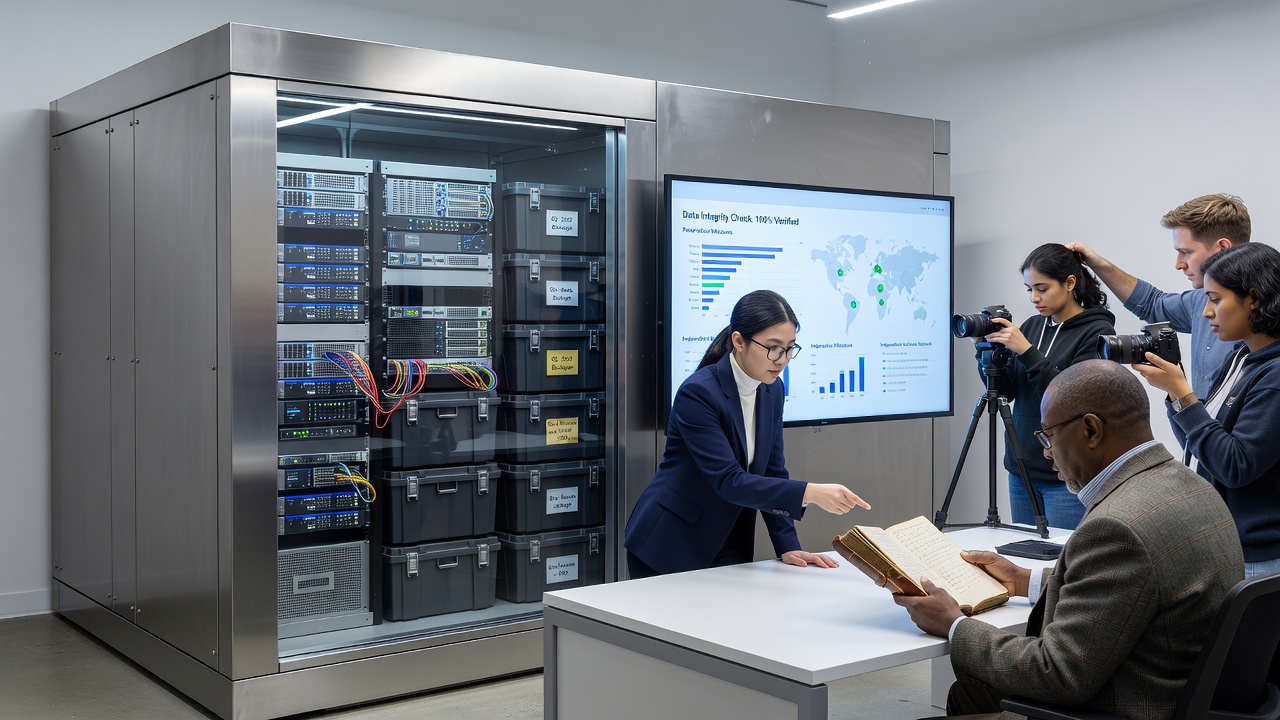
Automated integrity checks run at scheduled intervals using hash chains that flag any alteration without requiring constant human oversight, while version control layers record every access event so auditors can trace provenance back to the original deposit date.
Support for Independent Documentation Projects
Independent historians and community archivists often operate without university budgets or national library infrastructure, yet vault techniques let them deposit primary sources such as oral histories, scanned manuscripts, and photographic collections under their own control, and evidence from preservation consortia indicates that these individuals gain long-term retention comparable to institutional standards because the underlying protocols enforce redundancy regardless of the depositor's organizational size.
Geographic and Technical Distribution
Nodes placed in different regulatory environments ensure compliance with varying data residency rules, for instance European nodes follow GDPR retention schedules while North American and Asia-Pacific nodes apply their respective standards, and this multi-region approach prevents any single government policy change from erasing an entire collection.
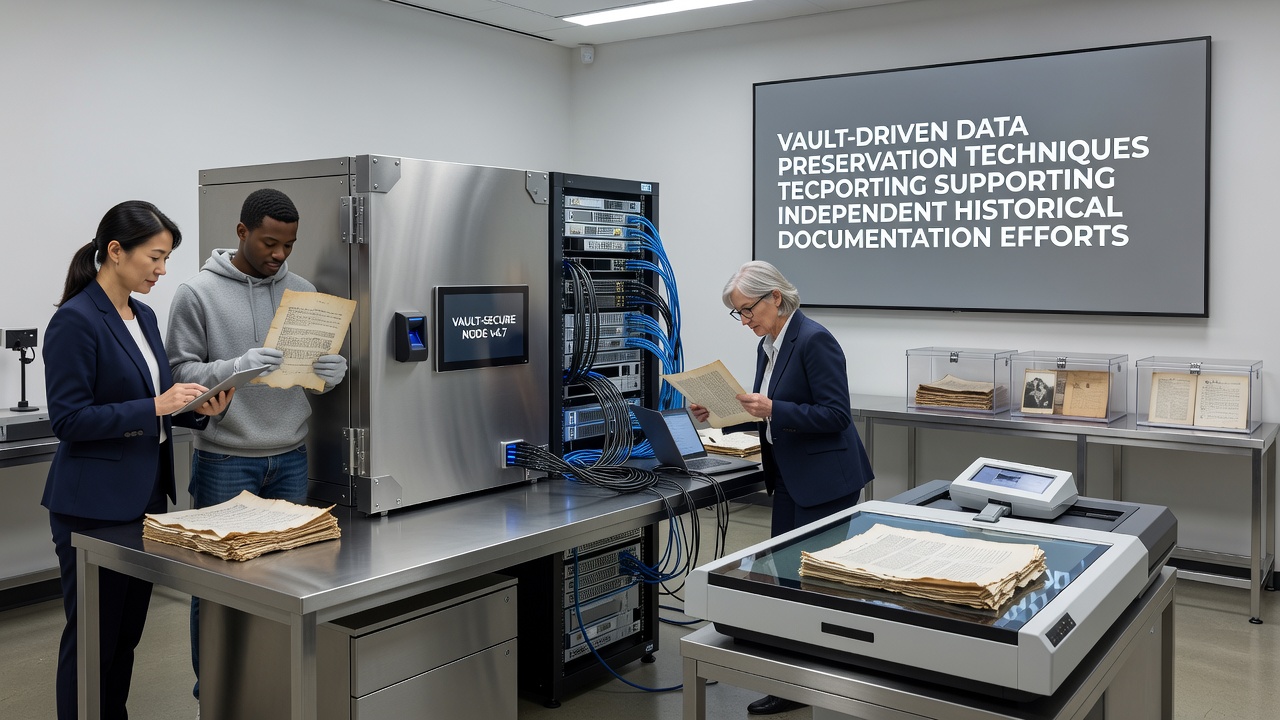
One documented workflow involves a freelance researcher uploading scanned letters from a regional labor movement; the system splits the files, encrypts each segment, and distributes them across twelve nodes, after which the researcher retains only the master key while the vault software handles replication and periodic audits without further intervention.
Integration with Emerging Standards in 2026
Updates scheduled for September 2026 include refined key rotation protocols and expanded support for open metadata schemas that align with the U.S. National Archives digital preservation guidelines, and observers note these changes will allow independent collections to interoperate with larger discovery platforms without surrendering local control of the source files.
Additional refinements address quantum-resistant encryption algorithms that testing facilities have validated against current threat models, ensuring that records deposited today remain secure against future computational advances, while audit logs incorporate timestamping services recognized by multiple international standards bodies.
Verification and Accessibility Protocols
Independent users receive periodic reports generated by the vault software that list successful integrity checks and node health metrics, and these reports use standardized formats so external auditors can compare results across different vault providers without proprietary tools.
Access remains selective through threshold cryptography, which requires multiple key holders to approve retrieval, thereby reducing risks associated with lost credentials or unauthorized requests, and research papers from Australian academic institutions have measured retrieval success rates above 99 percent under simulated multi-year failure scenarios when these threshold methods operate correctly.
Conclusion
Vault-driven preservation therefore supplies independent historical documentation projects with infrastructure previously available only to large institutions, and ongoing protocol refinements scheduled through 2026 continue to strengthen both security and interoperability across geographic boundaries.